

Short answer: no, you don’t pour your own soju glass in Korea, and if you do it at a work dinner, someone will quietly notice. The system runs on other people watching your glass for you and filling it before it goes empty, while you do the same for them, always with the senior person’s glass and pour coming first.
This trips up almost every foreigner at their first hoesik, the after-work team dinner where soju shows up alongside grilled meat. Nobody hands you a rulebook, so you either copy the person next to you or you get caught reaching for the bottle yourself. Here’s the actual order of operations, explained the way a Korean coworker would explain it if you asked directly.
Soju Drinking Etiquette Korea: Why No One Pours Their Own Glass
At a Korean table, pouring is a small act of attention, not just logistics. Whoever notices your glass is low is expected to refill it, and the most senior person at the table is served first, before anyone touches their own drink. Filling your own glass suggests nobody at the table is looking after you, which reads as awkward rather than efficient.
In practice this means you glance at the glasses around you throughout the meal, not just your own. If you see an empty glass near a senior colleague or an elder, that’s your cue to pick up the bottle before they have to ask.
When You’re the One Being Poured For
If someone senior fills your glass, hold it up slightly with both hands while they pour rather than leaving it sitting on the table. Setting it down flat during the pour looks passive, almost like you’re not paying attention to the gesture being made toward you.
Two Hands, Every Time: The Rule Foreigners Miss First
The two-hand rule is the one detail that separates someone who’s read about Korean etiquette from someone who’s actually practiced it. When you pour for someone older or more senior, you hold the bottle with your right hand and rest your left hand lightly against your forearm or chest. When you receive a pour, you hold your glass with both hands instead of one.
You’ll see the exact same two-handed habit show up around shared dishes at Korean BBQ tables, where passing side dishes and pouring drinks both lean on the same idea: using both hands signals respect toward whoever you’re serving.
What “Two Hands” Actually Means at the Table
You don’t need both hands fully wrapped around the bottle or glass to get this right. A light touch from the supporting hand is enough, it’s the gesture that matters, not a tight grip. Between people of similar age or close friends, this rule relaxes considerably, and one-handed pours are completely normal.
Why Koreans Turn Their Head Away From Elders When Drinking
The other habit that catches visitors off guard is watching someone turn their whole body sideways, cover their glass, and drink facing away from an elder or senior at the table. This isn’t shyness, it’s a deliberate gesture of respect rooted in older Confucian table manners, and it still shows up regularly at company dinners and family gatherings today.
You’re not expected to master this on day one as a visitor. But if you’re at a hoesik with a Korean team and want to show you’ve done your homework, turning slightly away from the most senior person when you take your first sip goes a long way, even if the rest of your table manners are still a work in progress.
What to Do If Your Glass Never Seems to Empty
A full glass at a Korean table can mean two very different things: either nobody has clocked that you’re ready for a refill, or someone is deliberately keeping it topped up because emptying your glass completely can read as a signal you want more, faster. If you’d rather pace yourself, it’s completely fine to leave your glass mostly full rather than draining it, since an empty glass is the real cue that triggers a refill.
Knowing a few basic phrases also helps here, since raising a toast or saying you’re set for now lands better in Korean than in English at a table full of coworkers. 10 Korean phrases tourists actually need covers exactly the kind of short lines that work at a dinner table.
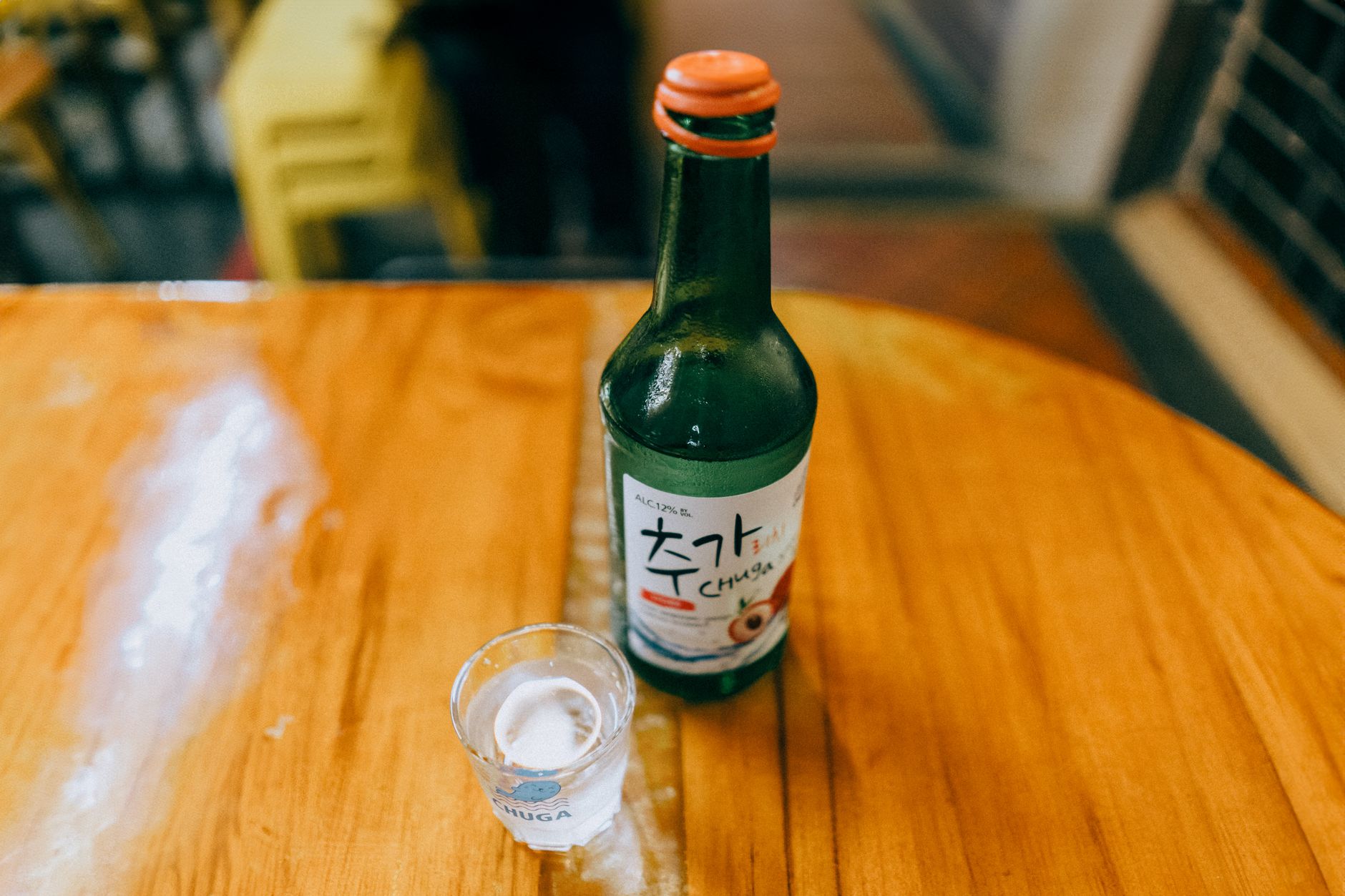
Snacks, Sides, and the Anju That Comes With It
Soju is rarely drunk on its own in Korea, it’s paired with anju, the food that comes alongside drinks, whether that’s grilled meat, dried squid, or something simpler grabbed on the way home. If your evening moves from a restaurant to a late-night convenience store run, Korean convenience store snacks to try covers the anju options you’ll actually recognize on the shelf.
Table manners around shared anju follow similar logic to the drinking itself: serve others before yourself, use both hands for shared platters, and let the senior person’s chopsticks reach the dish first. The same instinct that governs why Koreans use scissors at the dinner table for shared meat and noodles applies here too: the meal is arranged around the group, not the individual.
Frequently Asked Questions
Q. Is it rude to refuse a pour at a Korean dinner?
A. Not anymore. Simply covering your glass lightly with your hand or saying you’re driving or not drinking is widely understood and accepted, especially outside very traditional company settings.
Q. Do these rules apply with close friends too?
A. They relax a lot. Among peers of the same age, one-handed pours and casual drinking are completely normal. The full etiquette matters most with elders, seniors at work, or anyone you’re meeting for the first time in a formal setting.
Q. What if I accidentally pour my own glass?
A. It’s a minor slip, not a serious offense. Most Koreans will simply smile, top it off themselves, and move on, especially once they realize you’re a visitor still learning the rhythm of the table.
Soju etiquette in five lines
- Never pour your own glass, watch others’ glasses instead
- Seniors and elders are served first, always
- Pour and receive with two hands, especially with elders
- Turning away slightly to drink in front of an elder shows respect
- A full glass usually means you’re covered, not ignored
Next time you’re handed a soju glass in Korea, hold it with both hands, watch who’s sitting where, and let the senior person’s glass get filled first. Get that sequence right and the rest of the table will relax around you immediately.
#SojuEtiquette #KoreanDrinkingCulture #KoreanDiningEtiquette #Hoesik #KoreaTravelTips #KoreanCulture #SojuRules #KoreanBBQ #KoreanCustoms #TravelKorea #SeoulNightlife #KoreanEtiquette #DrinkingInKorea #BlueRibbonPicks #KTravelGuide
Leave a Reply