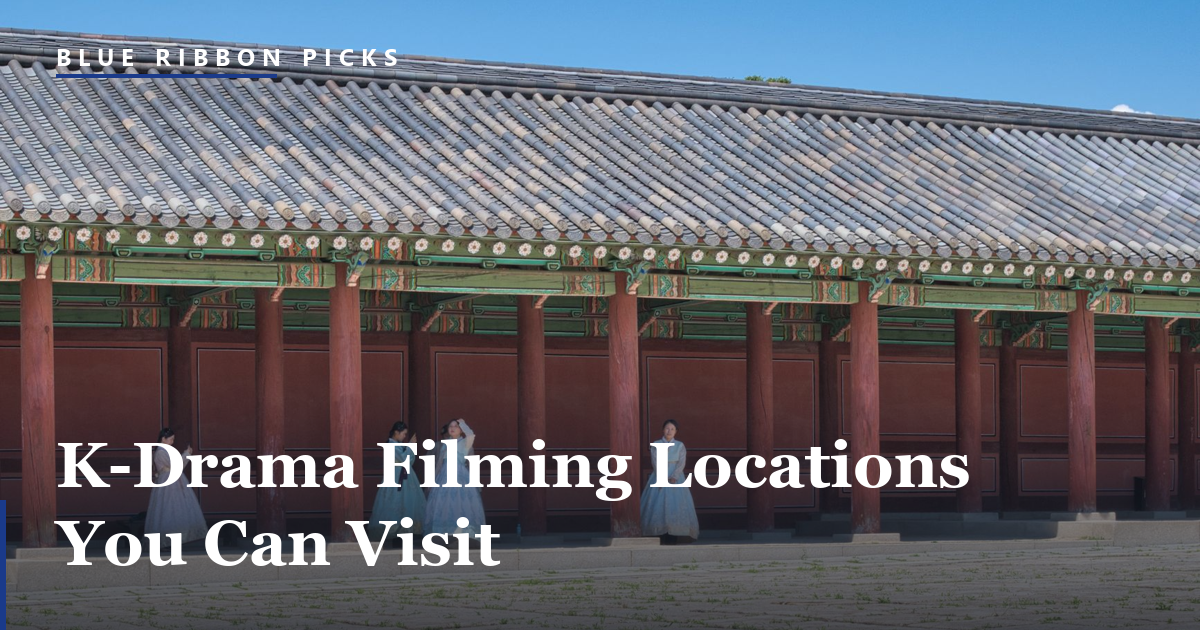

Short answer: many famous locations are ordinary public places, and a few are private homes where visitors are a genuine nuisance. Knowing which is which before you travel saves disappointment and avoids causing problems for people who live there.
I went looking for a spot from a series I liked and found a small residential street with a hand-written sign asking visitors to keep quiet. It was a good reminder that a filming location is often just a place where people live.

Three categories of location
Not all filming sites are equal. Sorting them into categories before you plan a trip makes the difference between a good day out and standing outside a locked gate.
The most reliable are places that were already tourist destinations before filming happened. They have opening hours, staff, and the capacity to handle visitors.
- Public sites — Palaces, parks, and museums with normal opening hours
- Commercial venues — Cafes and shops that welcome visitors
- Residential areas — Real neighbourhoods where people live
- Closed sets — Studio builds that are not accessible at all

What to expect when you arrive
Locations rarely look like they do on screen. Lighting, lenses, and colour grading do an enormous amount of work, and a scene shot at dawn will look entirely different at two in the afternoon.
Set dressing is also temporary. Signage, furniture, and props are usually removed once filming ends, so the recognisable details may simply not be there any more.
- Lighting — Scenes are often shot at dawn or dusk
- Colour — Grading changes the entire look of a place
- Set dressing — Props and signage are removed after filming
- Scale — Wide lenses make small spaces look larger
Behaving well at residential locations
This is the part that matters most. When a series becomes popular, quiet streets can receive a volume of visitors they were never built for, and residents bear the cost.
The basic rule is simple: treat it as a place where people live, because they do. Keep your voice down, do not photograph windows or doorways, and do not linger outside private property.
- Volume — Keep conversation quiet, especially early or late
- Privacy — Do not photograph windows, doors, or residents
- Access — Never enter private property, even for a photo
- Signage — If a sign asks visitors not to come, respect it

Planning a realistic day
Locations are often scattered across a city or region, and stringing five of them together usually produces a day of travelling rather than sightseeing.
A better approach is to pick one area and see what happens to be there, treating the location as an anchor rather than the entire purpose of the day.
- One area — Group locations by neighbourhood, not by series
- Two or three max — More than that becomes a transit day
- Check opening hours — Public sites often close one day a week
- Have alternatives — Some locations turn out to be inaccessible
Why these clips travel so well
Location comparison videos are a whole genre for a reason. Showing the scene and the real place side by side is instantly legible to anyone, in any language.
The format also carries a small emotional payoff. Seeing an ordinary street that produced a memorable scene collapses the distance between the story and the world, which is satisfying regardless of whether you watched the series.
- Side-by-side — The comparison needs no narration
- Recognition — Viewers spot the location before being told
- Universality — Works for viewers who do not speak the language
- Emotional hook — Connects a fictional moment to a real place
Being a good visitor generally
A few habits make the whole thing better for everyone, including the people who come after you.
Spending money locally is the most direct way to make visitor traffic a benefit rather than a burden. If a neighbourhood cafe is why you are there, buy something.
- Spend locally — Support the businesses in the area you visit
- Off-peak — Weekday visits reduce crowding significantly
- Rubbish — Take it with you; bins are scarce in many areas
- Credit — If you post, name the location and the series accurately
Quick comparison
| Location type | Access | Best time | Notes |
|---|---|---|---|
| Palace or park | Public, ticketed | Early morning | Check weekly closing day |
| Cafe or shop | Open to customers | Weekday | Buy something while there |
| Public street | Open | Off-peak | Watch for residents |
| Residential area | Sensitive | Daytime only | Keep noise down |
| Studio set | Usually closed | Not applicable | Rarely accessible |
Frequently asked questions
Are filming locations marked in any way?
Some popular public sites have signage or displays, but most do not. Residential locations are almost never marked, and in some cases signs have been removed at the request of residents.
Can I take photos?
In public spaces generally yes. Avoid photographing private homes, windows, or people who have not agreed to it. If you are unsure, assume the answer is no.
Do I need a guided tour?
Not usually. Public locations are straightforward to reach with normal transport. A tour helps if locations are spread out or in areas with limited transit.
What if a location has closed down?
This happens often, particularly with cafes and shops. Check recent posts rather than older guides, since a location that was open two years ago may not exist now.
Is it worth visiting if I have not seen the series?
Many locations are genuinely worth seeing on their own merits, particularly palaces and parks. A residential street, less so.
Wrapping up
Visiting a filming location is at its best when the place is somewhere you would have enjoyed anyway, and the series is just the reason you found it.
Pick one area, keep your expectations realistic about how it will look, and remember that some of these places are simply where people live.
Related reading
You Might Also Like
- Learn Korean from Zero — Lesson 1: Read Your First Hangul Letters
- BLACKPINK’s 10th Anniversary: Why Only 40 Fans Got In — and How They Were Chosen
- Bingsu Explained: Korea’s Summer Shaved Ice and What to Order First
Want these in your inbox? Subscribe below and every new post lands there first.
Leave a Reply